
Discover the origins, strategies, and cultural impact of the Monopoly board game in this comprehensive exploration.
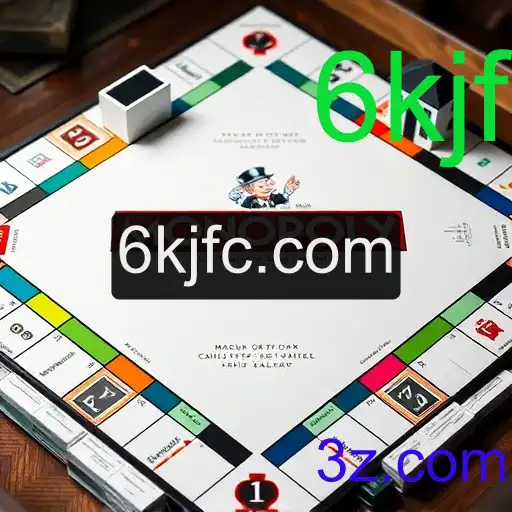
Understanding the Monopoly Board Game
The Origins and Evolution of Monopoly
Monopoly is a classic board game that has transcended generations, captivating the interest of families and friends across the globe. It originated in the early 20th century and was published by Parker Brothers, a subsidiary of Hasbro. The game was designed to showcase economic concepts and the impact of monopolistic growth in a competitive marketplace.
How to Play Monopoly
The basic premise of Monopoly revolves around real estate acquisition, where players aim to dominate the board through strategic trading and property development. Each player starts with a set amount of currency, moving around the board based on rolled dice, and purchasing properties available. As a player lands on unowned property, they have the option to buy it, forming monopolies by owning all properties within a color group to maximize their rental income.
Tactics and Strategies
The game requires players to employ a variety of tactics and strategies. One critical strategy involves trading properties with other players to complete property sets, enabling the building of houses and hotels to boost rent charges. Making shrewd deals is key, as it helps consolidate holdings and weaken opponents financially.
Auctioning is another strategy where unpurchased properties are open to bidding, often leading to intense negotiations. Rentals from owned properties provide a steady cash inflow to facilitate further investments on upgrades and acquisitions, essential for staying ahead in the game.
The Impact of Luck and Chance
As with many board games, elements of luck and chance play a significant role in Monopoly. The rolling of dice determines a player's movement across the board, influencing property acquisition opportunities and penalties encountered, such as taxes and 'Go to Jail' spaces.
Chance and Community Chest cards introduce unforeseeable events, affecting players' financial standing positively or negatively. This unpredictability ensures that no two games are identical, adding to the excitement and challenge of each session.
Variations and Cultural Impact
Over the years, Monopoly has evolved with numerous editions and spin-offs, reflecting cultural and regional adaptations. Themed editions incorporate popular media franchises, landmarks, and cities, further diversifying its appeal. The game's international versions include localized property names, tokens, and currency, offering a personalized experience to players worldwide.
Monopoly's influence extends beyond mere entertainment; economists and educators often employ it as a tool to illustrate the principles of capitalism, market competition, and negotiation tactics. In recent years, digital versions have emerged, allowing online multiplayer experiences and mobile gameplay, expanding its reach to tech-savvy audiences.
The Role of Monopoly in Modern Gaming Culture
Today, Monopoly continues to be a staple in board game collections, fostering social interaction and strategic thinking. Its complex dynamics encourage players to develop negotiation skills, financial planning competency, and adaptive strategies to navigate the game's unpredictable nature.
The game has become a symbol of both joyous family gatherings and intense competitive showdowns, maintaining a special place in modern gaming culture. Whether played casually or in tournament settings, its enduring legacy remains a testament to its timeless appeal.
Exploring the Uniqueness of Monopoly
Unlike many other games, Monopoly's unique approach combining skill, chance, and economic simulation offers players an immersive experience in decision-making and opportunistic growth at its core. This balance ensures that engagement remains high as players strive to outwit and outmaneuver opponents while managing resources efficiently.
As such, Monopoly serves as not only a recreational activity but also an educational tool, shedding light on the nuances of property management, negotiation, and financial risk-taking, all wrapped within a framework that encourages healthy competition.